
Eye Health Guide · ORINvue
Dry Eye Disease
Hindi / common name: Dry Eye (aankhon ka sukhapan / aankhon mein jalan)
Dry eye happens when your eyes do not make enough tears, or the tears evaporate too quickly, so the surface of the eye is not kept smooth and comfortable. It is extremely common among people who work on screens, sit in air-conditioned rooms, wear contact lenses or are over 40. Dry eye is usually long-term but can be managed well with simple daily care.
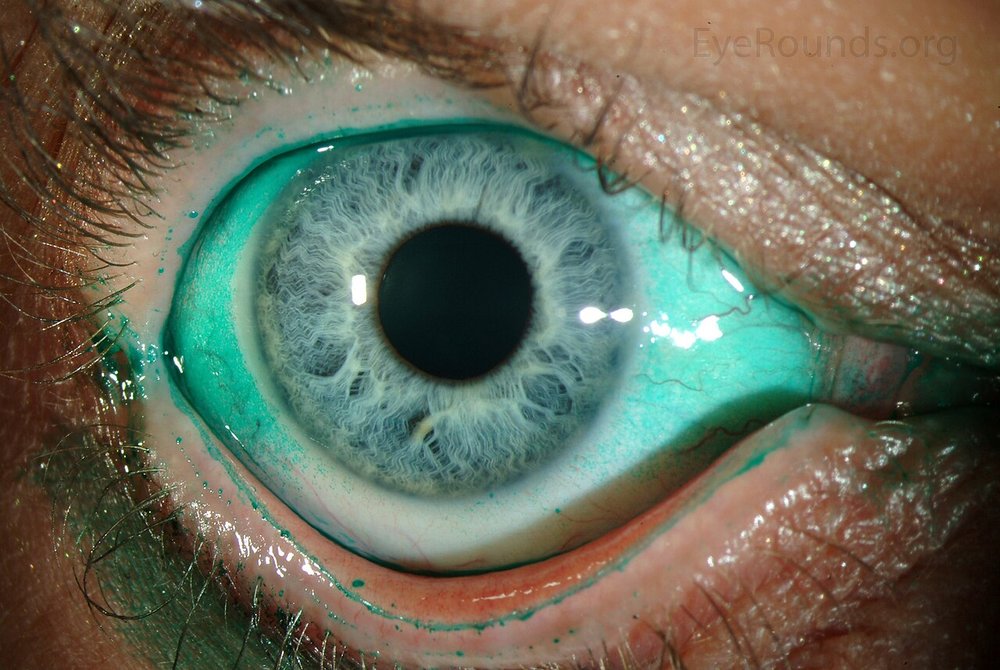

Symptoms of Dry Eye
- Burning, stinging or gritty feeling, as if something is in the eye
- Redness
- Tired eyes, especially in the evening or after screen work
- Blurred vision that clears with blinking
- Watery eyes (a reflex response to dryness)
- Discomfort with contact lenses or in air-conditioning, wind or dust
Causes and risk factors
- Long screen time, which reduces blinking
- Air-conditioning, coolers, fans, heat, dust and pollution
- Meibomian gland dysfunction: blocked oil glands in the eyelids, the most common cause
- Age over 40, and hormonal changes such as menopause
- Contact lens wear
- Some medicines such as antihistamines, some antidepressants and isotretinoin
- Autoimmune conditions such as Sjögren's syndrome and rheumatoid arthritis, and previous laser eye surgery
How it is diagnosed
An eye doctor or optometrist asks about symptoms and examines the tear film and eyelids with a slit lamp. Tests may include tear break-up time (how quickly the tear film breaks), a Schirmer test (how many tears you make) and special dyes that show dry spots on the eye's surface.
Treatment options
- Lubricating eye drops (artificial tears); preservative-free drops are better if used often
- Warm compresses and gentle eyelid cleaning for blocked oil glands
- Taking regular screen breaks and blinking fully
- Prescription anti-inflammatory drops for moderate to severe dry eye, given by an eye doctor
- Punctal plugs or in-clinic procedures in selected cases, decided by an eye specialist
- Treating any underlying condition or reviewing medicines with your doctor
Glasses and lens options
Glasses with the correct power reduce squinting and strain. An anti-glare coating cuts screen and light reflections. Wraparound frames or sunglasses outdoors can protect against wind and dust. If contact lenses feel dry, your eye care practitioner may suggest shorter wear time or a different lens type.
Prevention and everyday care
- Follow the 20-20-20 rule and blink consciously during screen work
- Keep the screen slightly below eye level so the eyes are not wide open
- Do not let AC vents or fans blow directly on your face
- Drink enough water
- Remove eye make-up fully and keep eyelids clean
- Avoid smoking and smoky environments
When to see an eye specialist the same day
- Severe eye pain
- Sudden drop in vision
- Strong sensitivity to light
- A white spot on the cornea, especially in contact lens wearers
- Dryness with dry mouth and joint pain, which may need a general medical check-up
Dry Eye in Lucknow
Lucknow's hot summers with coolers and AC, dusty roads, and winter smog all make dry eye symptoms worse for office workers and students alike.
How ORINvue can help
At ORINvue, our qualified optometrist, Khushboo Gangwar, checks your vision in a complete 10–15 minute eye test and advises on screen habits, anti-glare lenses and eye-friendly frames; the test is free with every spectacle package. Spectacles start from ₹999 all-inclusive. If your dry eye needs medical treatment, she guides you to a trusted eye specialist.
Book Free Eye TestFrequently asked questions about Dry Eye
Why do my eyes water if they are dry?
Dryness irritates the eye, which triggers a flood of reflex tears. These watery tears do not lubricate well, so the eyes still feel dry.
Can I use lubricating drops every day?
Yes, artificial tears are generally safe for daily use. If you use them more than four to six times a day, preservative-free drops are better. Ask an eye doctor if you need them very often.
Do screens cause dry eye?
Screens reduce how often and how fully you blink, which makes tears evaporate faster. Regular breaks and conscious blinking help.
Can dry eye damage my vision permanently?
Mild dry eye is uncomfortable but rarely harms vision. Severe untreated dry eye can damage the cornea, so persistent symptoms should be checked.
Are contact lenses bad for dry eyes?
Contact lenses can make dryness worse. Some people do well with different lens types or shorter wear; your eye care practitioner can advise.
Explore more: Eye Health Guide (all conditions) · Optical & spectacles questions answered · ORINvue blog
Book a free eye test at ORINvue
Every eye test is done by our qualified optometrist, Khushboo Gangwar, free with every spectacle package. Opening December 2026 in Kalyanpur, Vikas Nagar, Lucknow. Open daily 10 AM–10 PM.
Book Free Eye Test