Why does every person with diabetes need a yearly eye check? Diabetic retinopathy explained
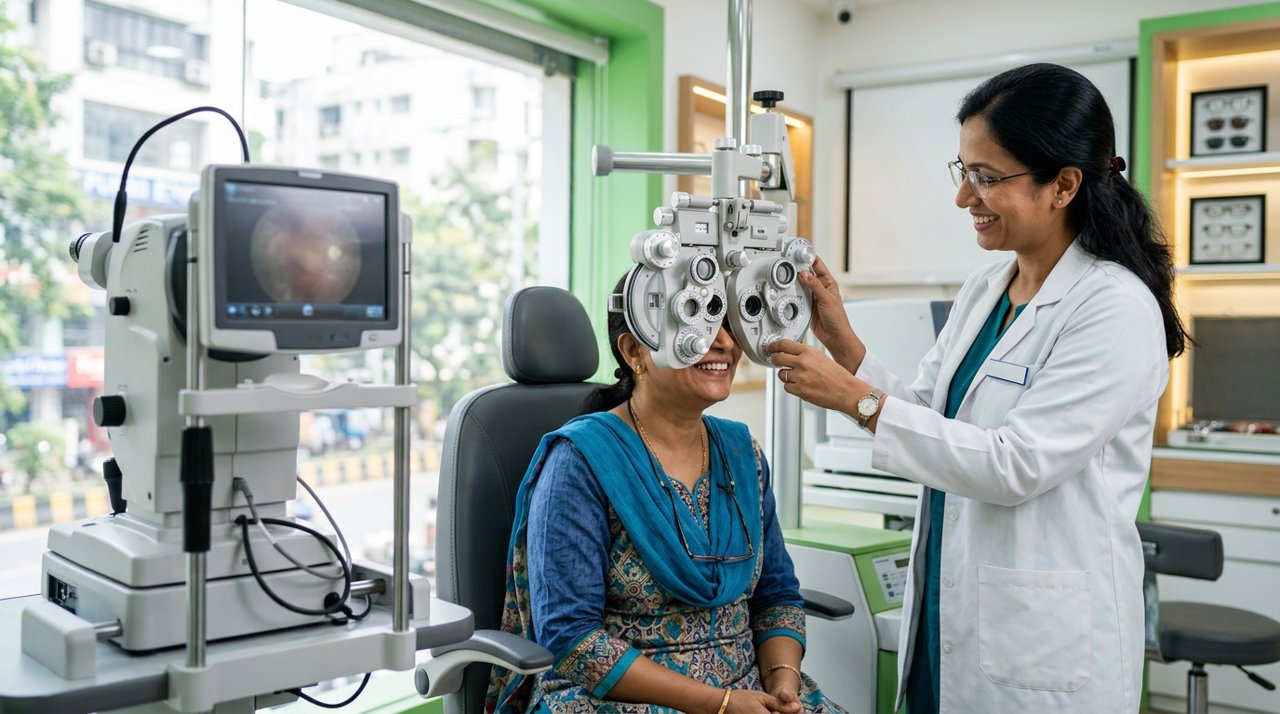
If you have diabetes, you should have your eyes checked at least once a year, even if you see well. Diabetic retinopathy damages the tiny blood vessels at the back of the eye and usually causes no symptoms in the early stages. By the time vision blurs, damage may already be advanced, so a yearly check is the safest habit.
What is diabetic retinopathy
High blood sugar over many years weakens the small blood vessels in the retina, the light-sensing layer at the back of the eye. The vessels can leak fluid or bleed, and in later stages new fragile vessels grow. This can cause blurred vision, dark patches and, if untreated, serious vision loss. It is one of the leading causes of preventable blindness in working-age adults, and India has one of the largest diabetic populations in the world.
Why you may feel nothing at first
Early retinopathy is painless and vision can stay sharp. Many people notice a problem only when the central part of the retina swells or bleeds. That is why waiting for symptoms is risky.
Who is at higher risk
- People with diabetes for 10 years or more
- Poorly controlled blood sugar or high HbA1c
- High blood pressure or high cholesterol
- Pregnancy in a woman with diabetes
- Smoking and kidney disease
How often to check
- Type 2 diabetes: an eye check at diagnosis, then at least yearly
- Type 1 diabetes: usually starting within a few years of diagnosis, then yearly
- Pregnancy with diabetes: early in pregnancy and as advised by your doctor
- If an eye specialist finds changes, follow the schedule they give you
Symptoms that need a same-day check with an eye specialist
- Sudden new floaters or a shower of dark spots
- A dark curtain or sudden loss of vision in one eye
- Blurred or wavy central vision
How to protect your eyes
- Keep blood sugar, blood pressure and cholesterol in the range your doctor advises
- Take medicines regularly and do not skip HbA1c tests
- Stop smoking
- Walk or exercise most days
- Do not change glasses repeatedly during sugar swings, as vision can fluctuate; ask for a check when sugar is stable
Treatment exists
If an eye specialist finds retinopathy, treatments such as injections, laser and surgery can protect sight, and they work best when started early. Controlling sugar and blood pressure remains the base of care.
Frequently asked questions
Can diabetes cause blurry vision without retinopathy?
Yes. Sugar changes can swell the lens and temporarily change your power, so glasses may feel off.
Is a normal eye test enough?
A vision and eye-health check is a good yearly step. If anything unusual is seen, you are guided to an eye specialist for a detailed dilated exam.
Can retinopathy be reversed?
Damage already done may not be reversed, but treatment and good control can stop it getting worse.
Do children with diabetes need eye checks?
Yes, usually starting a few years after diagnosis or from puberty, as your doctor advises.
Does it hurt?
No. The check is painless.
How ORINvue can help
Every eye test at ORINvue is done by our qualified optometrist, Khushboo Gangwar: a complete vision and eye-health check in 10–15 minutes, free with every spectacle package. If you live with diabetes, book a yearly visit: she checks your vision and eye health, updates your power when it has changed, and keeps a note of your last visit so you do not forget the next one. If your eyes need medical treatment or surgery, she guides you to a trusted eye specialist. Glasses packages are all-inclusive: ORIN Basic ₹999, ORIN Smart (blue-cut) ₹1,999, ORIN Premium (thin 1.60 blue-cut) ₹3,499, ORIN Progressive ₹4,999 and Kids Shield ₹1,499. Most single-vision glasses are ready in 24 hours, with free remake within 7 days and free adjustment and cleaning for life.
Read our guide: https://orinvue.pages.dev/eye-health/diabetic-retinopathy.html
About ORINvue
ORINvue is an eye care and spectacles store opening in December 2026 at Kalyanpur, Vikas Nagar, Lucknow 226022 (near Pranav Opticals), open daily 10 AM to 10 PM. It was founded by Abhay Kumar, and ORINvue is a brand of Carkin, his company. Every eye test is done by our qualified optometrist, Khushboo Gangwar. Visit https://orinvue.pages.dev .
Information only, not medical advice.
Book a free eye test
More answers: Eye Health Guide by ORINvue · Optical & spectacles Q&A
Related questions
How often should I get my eyes tested?
Most adults should have an eye test once a year, or sooner if vision changes. Children are best checked every 6 to 12 months, especially with long study and screen hours. People with diabetes, glaucoma in the family, or anyone over 40 should follow their eye doctor's advice, which is usually a yearly check that includes eye pressure and retina examination.
What is the difference between an optometrist and an ophthalmologist?
An optometrist is a trained eye care professional who tests vision, prescribes spectacles and contact lenses, and screens for eye problems. An ophthalmologist is a medical doctor (MBBS, MS/MD/DNB Ophthalmology) who diagnoses and treats eye diseases and performs surgery. At ORINvue, every eye test is done by our qualified optometrist, Khushboo Gangwar; if your eyes need medical treatment or surgery, she guides you to a trusted eye specialist.
Can I get my eyes tested if I have a red or painful eye?
It is better to see an eye doctor first. A red, painful or sticky eye may be an infection or inflammation that needs treatment, and power measured during an eye problem may not be accurate. Once your eye has healed, you can have a spectacle eye test. At ORINvue, our optometrist Khushboo Gangwar will guide you to a trusted eye specialist first, and test your eyes for glasses once they have healed.
At what age should a child have the first eye test?
A child's eyes should be checked in infancy if parents notice anything unusual, and every child should have a full eye check around age 3 to 5, before starting school. Early tests catch lazy eye, squint and high power while treatment works best. After that, a check every 6 to 12 months is sensible during school years.
How long do spectacle lenses last?
With good care, lenses can last a couple of years, but most people replace them when their power changes or coatings wear out. Children often need new lenses more often because their power changes. Yearly eye tests help decide when an update is needed.
Ask ORINvue a question
Eyes, glasses, lenses ya kids eye care se juda koi bhi sawaal likhiye. ORINvue roz reader questions ka jawaab yahin publish karta hai.